The SS Tarpon: Gulf Coast Steamer and Community Lifeline
Construction and Specifications
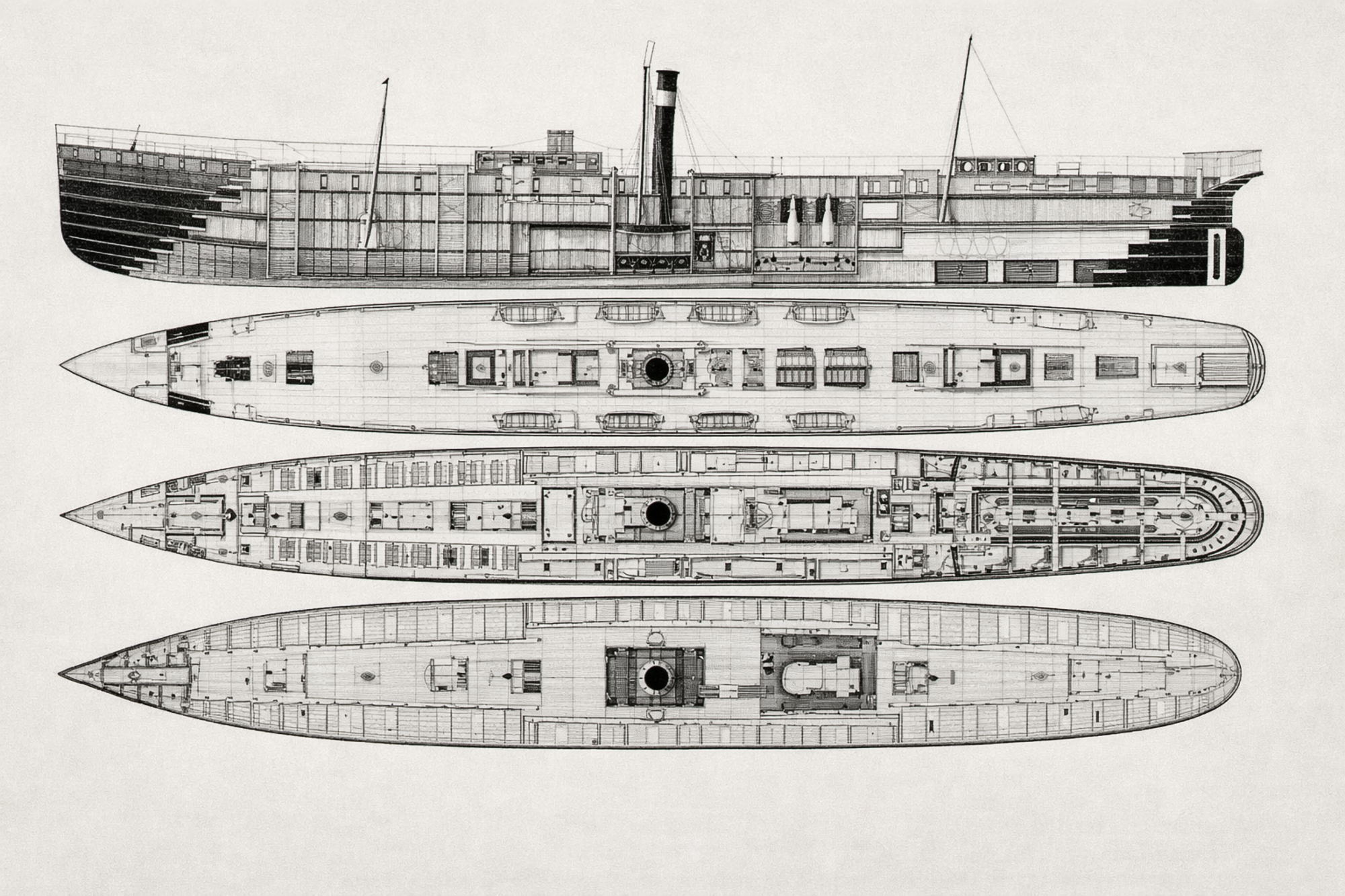
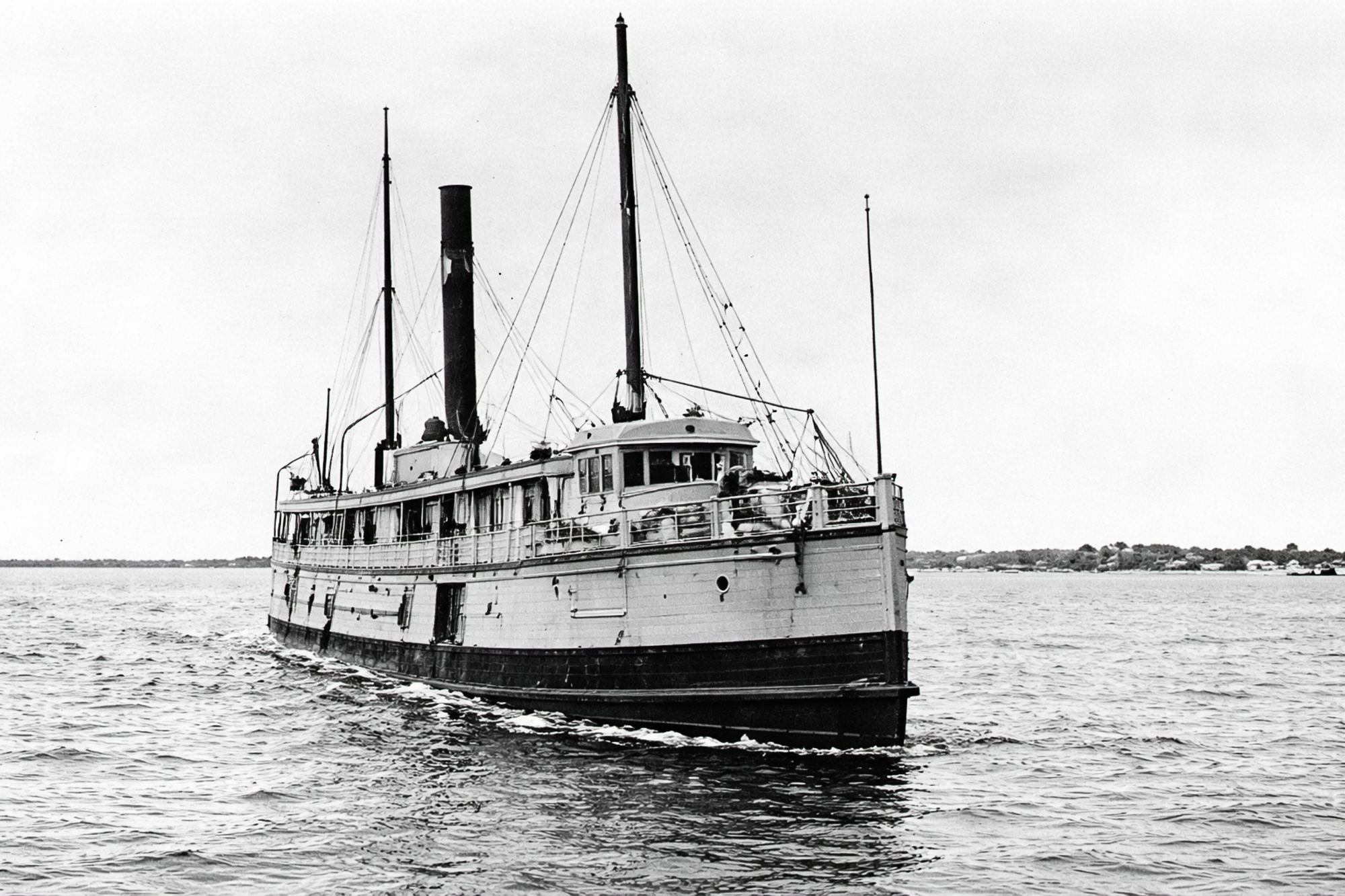
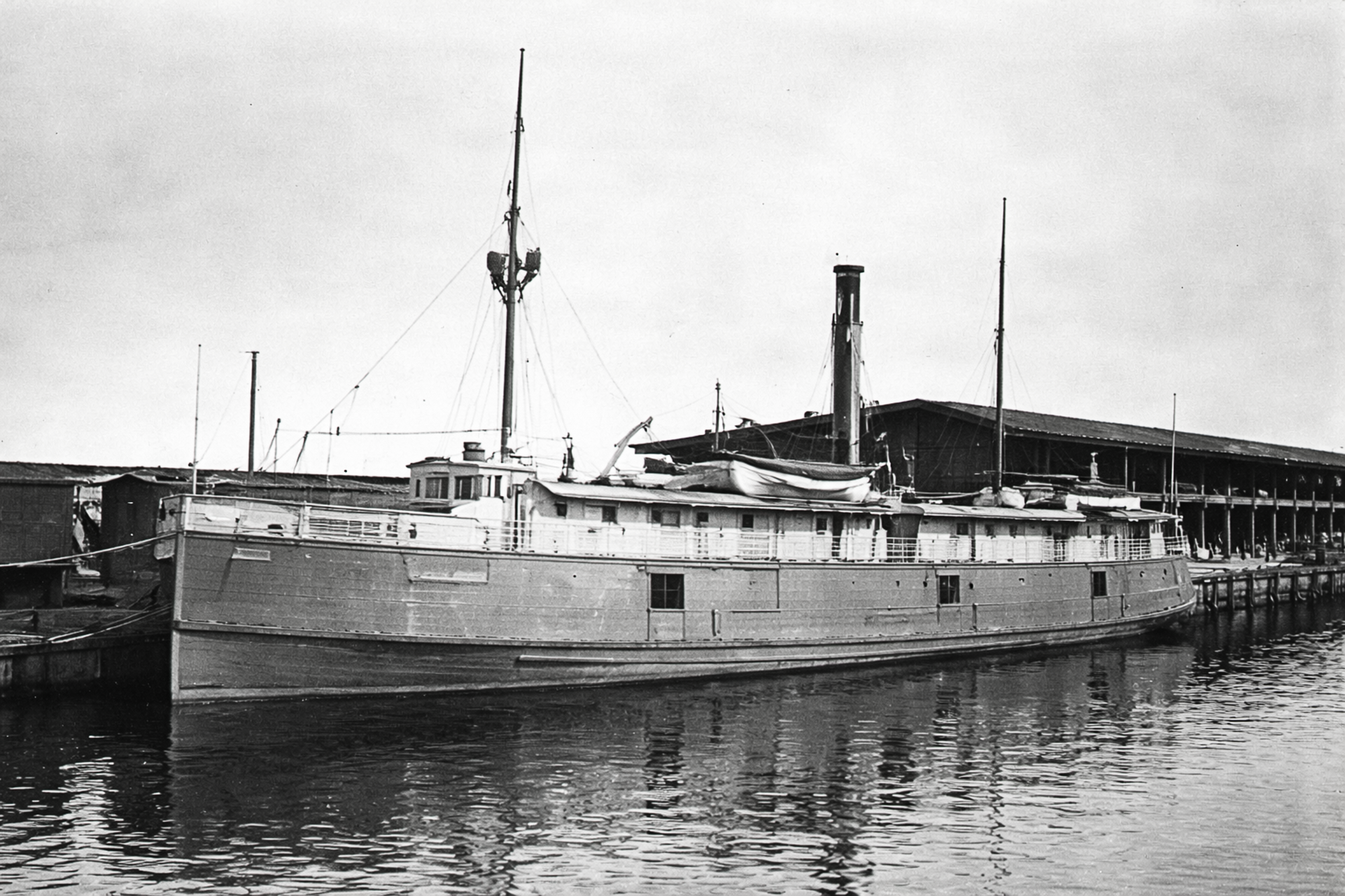
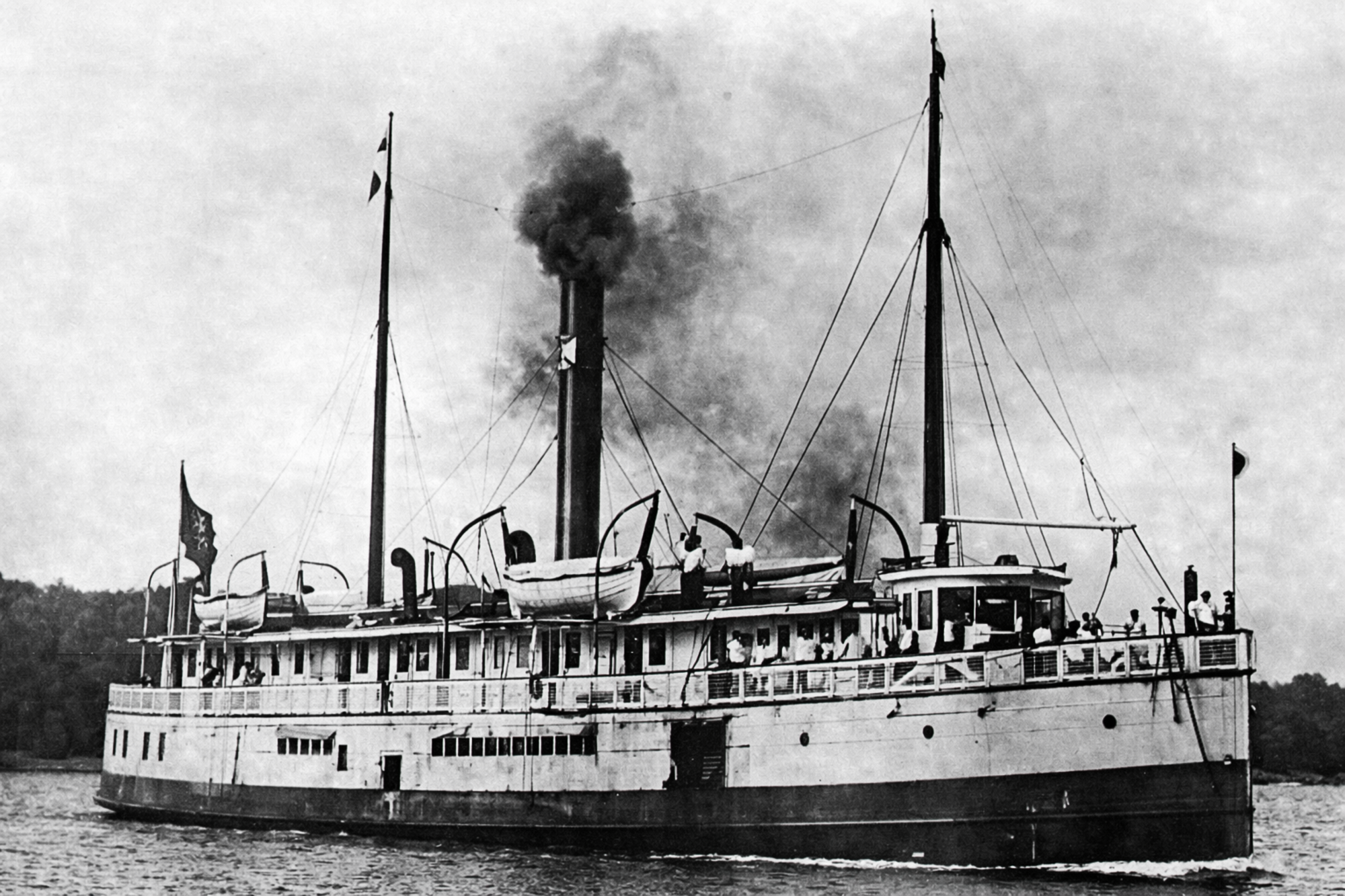
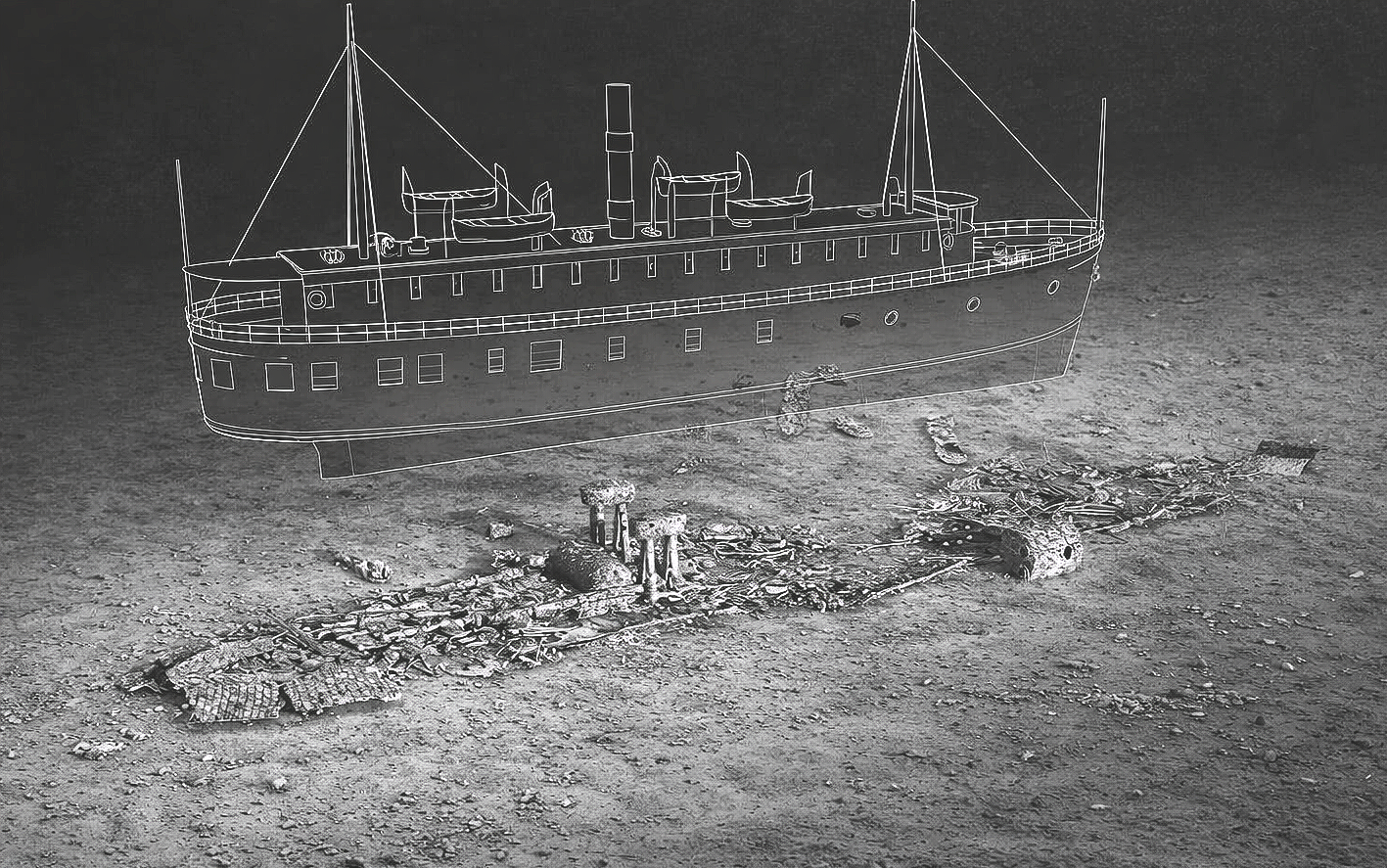
The SS Tarpon was a twin-screw steamship built in 1887 in Wilmington, Delaware. Originally christened Naugatuck, it was an iron-hulled freight and passenger steamer measuring approximately 130 feet in length with a 26-foot beam and an 8-foot depth of hold. The vessel was powered by two compound steam engines driving twin propellers.
In 1891, after being acquired by railroad magnate Henry B. Plant, the hull was lengthened by roughly 30 feet—bringing the ship to about 160 feet overall—and the vessel was renamed Tarpon. With its sturdy iron hull and twin screws, the Tarpon was built for reliability in coastal service. Over the decades, it proved that reputation well, surviving groundings, storms, and even fire during its long working life.
Commercial Service and Gulf Coast Route
For more than 30 years, the SS Tarpon ran a dependable weekly route along the northern Gulf Coast, linking remote coastal communities with larger ports and supplying towns that had few alternatives for transportation.
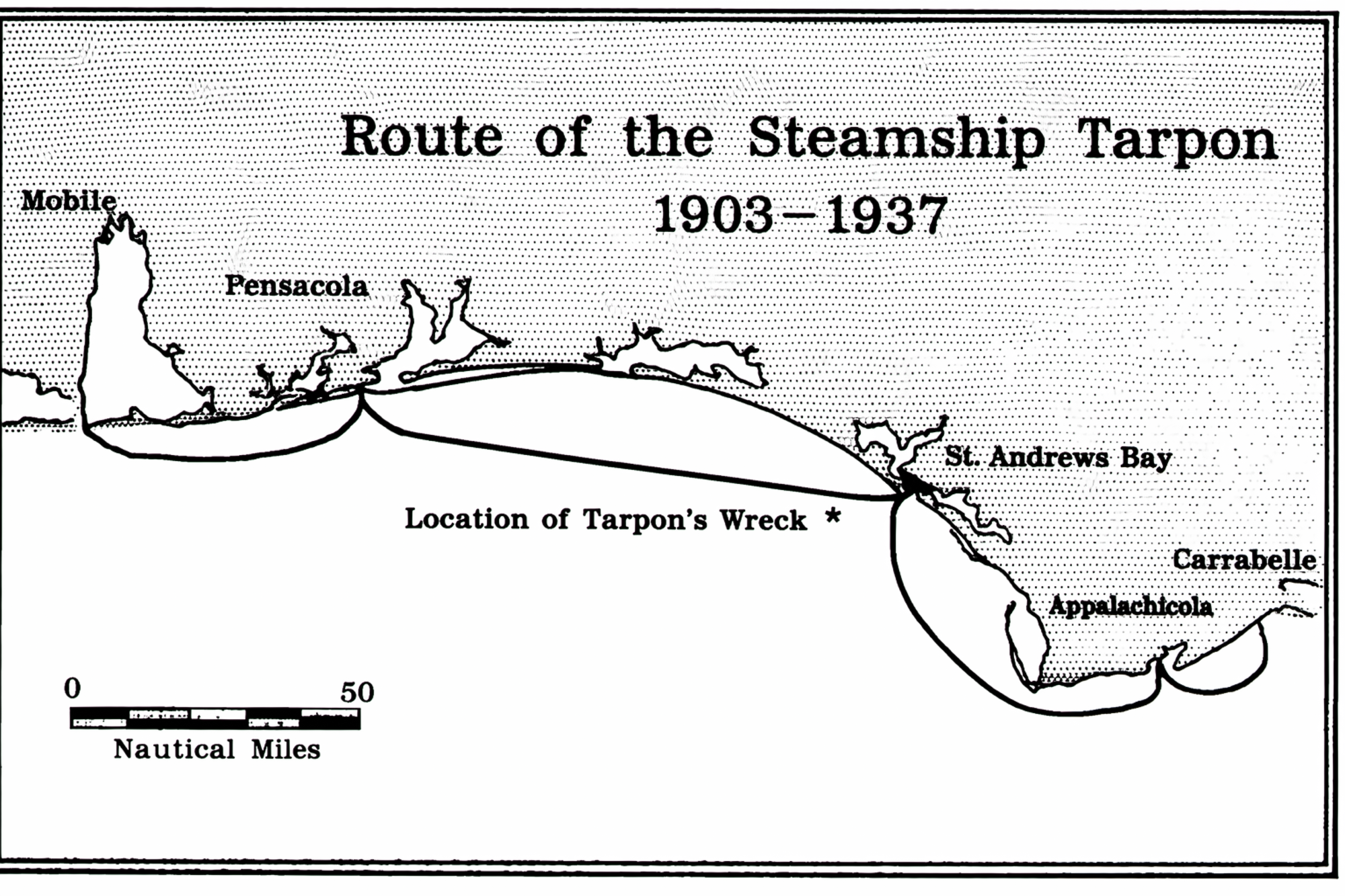
In 1902, the Tarpon was sold to the newly formed Pensacola, St. Andrews & Gulf Steamship Company and placed under the command of Captain Willis Green Barrow. Beginning in 1903, Captain Barrow and the Tarpon made regular runs connecting Mobile, Pensacola, St. Andrew Bay, Apalachicola, and Carrabelle.
At a time when paved roads were scarce and rail connections incomplete, the Tarpon became a critical artery of commerce. It carried freight, mail, and passengers between isolated coastal towns, delivering essential goods such as food staples, flour, oil, machinery, and building supplies. It also carried people—merchants, families, laborers, and travelers—providing access to services and opportunities otherwise difficult to reach.
Captain Barrow ran the Tarpon on a famously strict schedule, regardless of weather. His often-quoted line—“God makes the weather, and I make the trip”—came to define both the captain and the ship. Week after week, the Tarpon arrived on time, forging a reliable link among Gulf Coast communities that came to depend on its presence.
By 1933, Captain Barrow had made more than 1,500 voyages aboard the Tarpon, and the ship was widely regarded as one of the most dependable steamers on the Gulf Coast.
Importance to St. Andrews and Other Port Communities
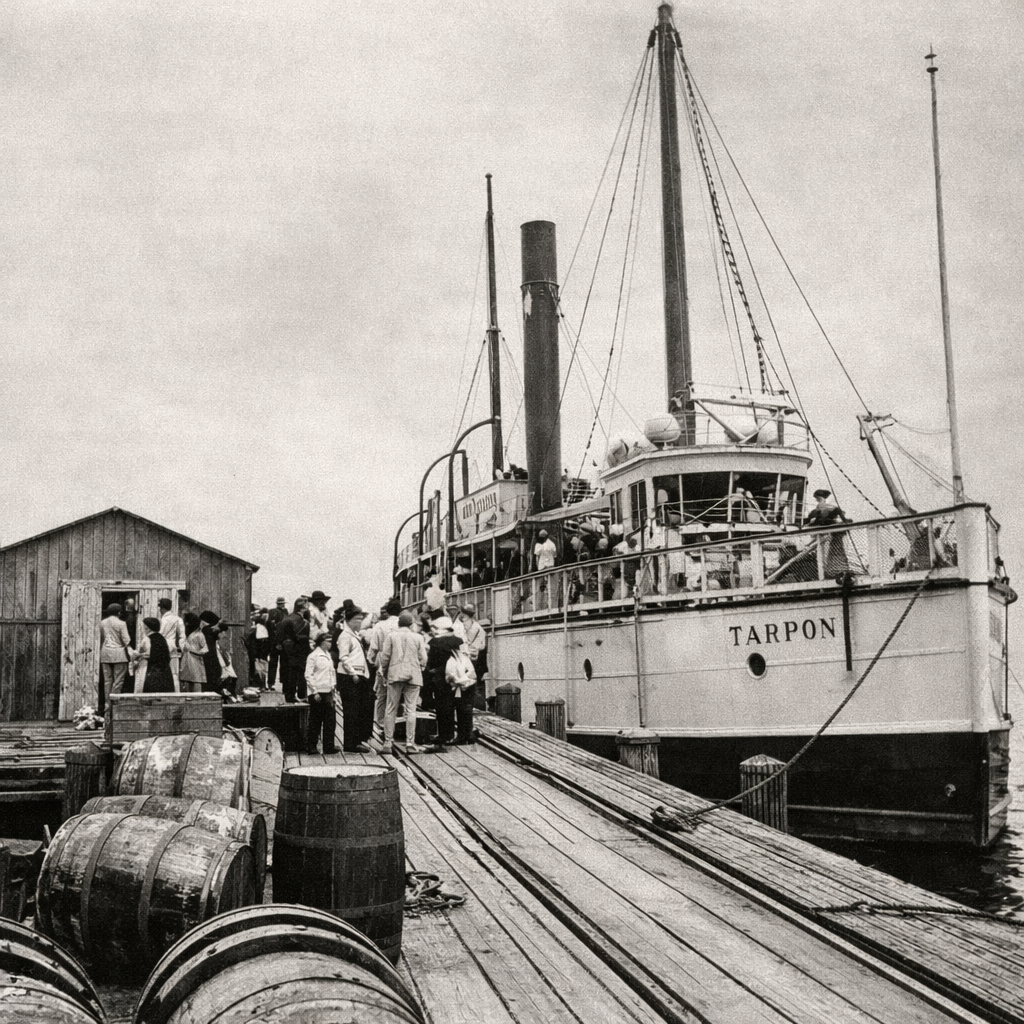
St. Andrews—today part of Panama City—was one of the Tarpon’s regular ports of call and benefitted deeply from its service. In the early 20th century, before highways and railroads reached the area, the weekly arrival of the Tarpon was a significant event. Locals gathered as the steamer delivered merchandise, mail, and visitors, providing a vital connection to the outside world.
The importance of the Tarpon to the community cannot be overstated. One local history from the era described it plainly: the Tarpon was “no mere boat,” but an entity alive with the people and events that shaped Gulf Coast towns. Captain Barrow himself became a well-known and respected figure along the route—seen by many as a steady presence who represented reliability, experience, and trust.
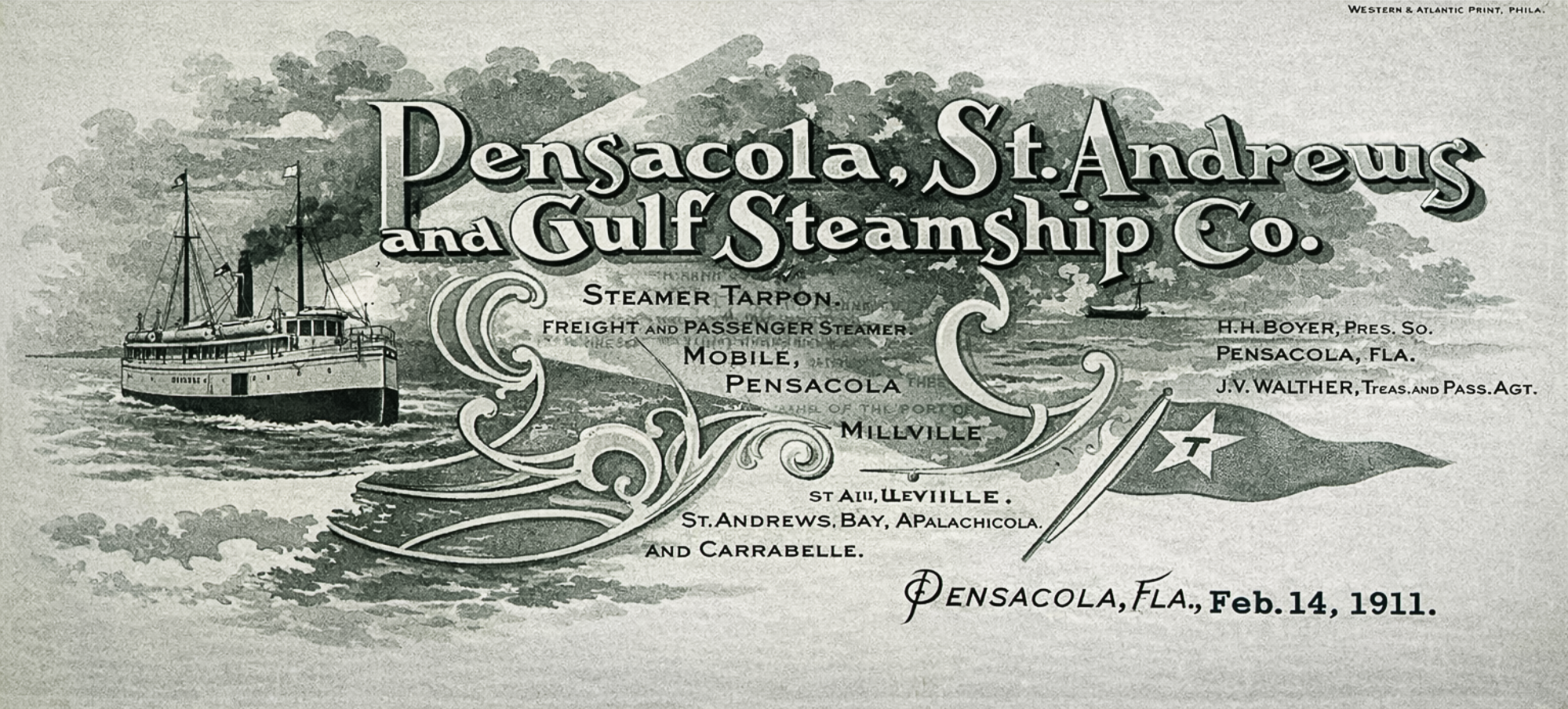
In St. Andrews, the Tarpon’s arrivals were eagerly anticipated and carefully noted. In December 1922, Captain Barrow was honored for completing his 1,000th voyage into St. Andrew Bay, having missed only one trip in twenty years due to weather. By that time, the ship had traveled an estimated 700,000 miles in service along the Gulf Coast.
The Tarpon played a central role in the economic and social life of St. Andrews, Apalachicola, Carrabelle, and other coastal towns. It allowed fishermen to ship their catch to market, merchants to keep shelves stocked, and residents to travel for business, family needs, and medical care. Even as railroads and highways slowly expanded across the Panhandle, many locals continued to rely on the dependable weekly steamer. Over time, the name Tarpon became synonymous with connection, consistency, and opportunity.
The 1937 Sinking Tragedy
On its final voyage in late summer 1937, the Tarpon met with disaster.
The ship departed Mobile, Alabama, on August 30, 1937, heavily loaded with cargo for its usual eastbound run. It carried roughly 200 tons of freight, including barrels of oil and large quantities of fresh water, riding unusually low in the water. Weather forecasts had called for calm conditions, but during the night of August 31, a sudden gale developed in the Gulf.
In the early morning hours of September 1, 1937, the aging steamer began laboring in heavy seas and taking on water. The crew worked to stabilize the vessel, even jettisoning cargo in an attempt to correct a growing list. For a time, it appeared their efforts might succeed, but before dawn, renewed gale-force winds and heavy seas overwhelmed the ship.
With water pouring over the deck and stability lost, Captain Barrow gave the order to abandon ship. The Tarpon had no radio and was unable to send a distress call. Within minutes, the vessel sank stern-first beneath the Gulf, taking much of its crew and cargo with it.
Of the 31 people aboard, 18 lost their lives, including Captain Barrow, who at 81 years old went down with his ship after a lifetime at sea. The loss of life devastated the Gulf Coast communities that had relied on the Tarpon for decades.
September 1, 1937 marked the tragic end of the ship’s 50-year career—just months before what would have been its golden anniversary.
Aftermath and Impact on the St. Andrews Community
The loss of the Tarpon sent shock waves through St. Andrews and the other towns it had long served. For residents, it was like losing a familiar and dependable presence—something that had quietly supported daily life for generations.
The Tarpon had been a fixture on St. Andrew Bay for over thirty years, and its absence was immediately felt. Merchants were forced to find alternative ways to move goods. Residents awaiting supplies or travel had to adjust. While roads and rail connections existed by 1937, they were still developing, and the ship’s loss exposed just how vulnerable coastal towns remained.
Beyond the economic disruption, the emotional impact ran deep. The story of the Tarpon’s final voyage—of an aging ship, a seasoned captain, and a fight against the Gulf—quickly became part of local memory. Captain Barrow’s decision to remain with his vessel embodied a code of seamanship that resonated strongly in a maritime community.
The sinking marked the end of an era. The Pensacola, St. Andrews & Gulf Steamship Company did not replace the Tarpon, and with its loss came the gradual fading of the small coastal steamship trade that had once bound Gulf towns together.
Life in St. Andrews moved forward. Roads improved. Trucks replaced cargo holds. But the dependable weekly arrival of the Tarpon—the sound, the routine, the certainty—was gone forever.
Legacy and Remembrance
Though the ship itself was lost, the story of the SS Tarpon remains woven into the identity of St. Andrews and the surrounding Gulf Coast.
It stands as a symbol of a time when the bay was the town’s front door, when commerce and connection arrived by water, and when a single working ship could shape the rhythm of an entire community. For decades, the Tarpon linked small towns to the wider world, helping them survive, grow, and stay connected.
The people of St. Andrews remember the Tarpon not simply as a vessel that sank, but as a working lifeline—one that carried far more than cargo. It carried trust, routine, and the quiet assurance that the outside world would arrive again next week, just as it always had.
And in that way, the Tarpon still belongs to St. Andrews.