When Cincinnati Discovered St. Andrews
A Stories of St. Andrews tale about the boom that didn’t boom… and the town that quietly kept becoming itself.
A Winter Morning, Somewhere in Ohio
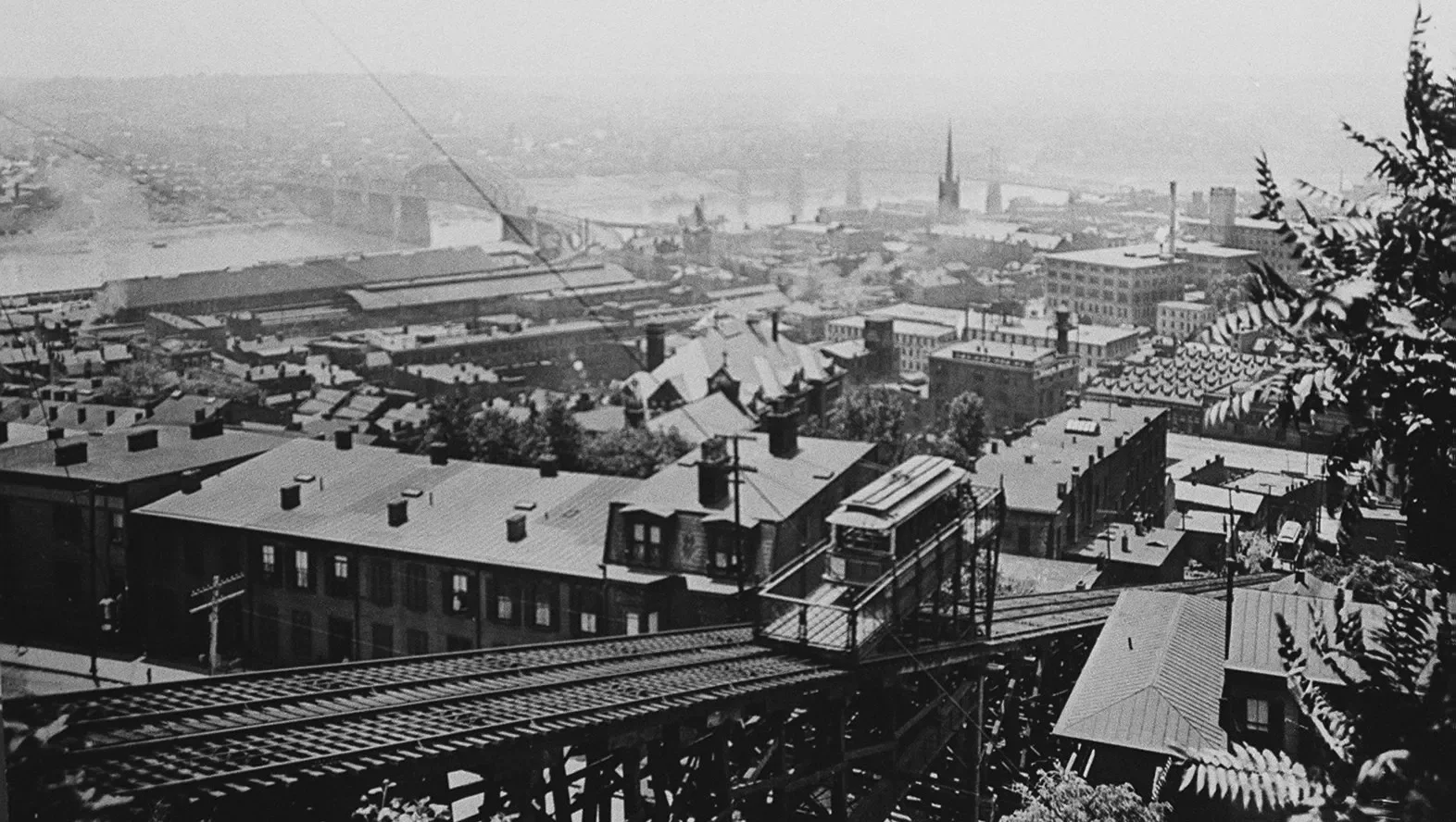
Picture a cold gray morning in the Midwest—Cincinnati, Dayton, Indianapolis, maybe a little town outside Columbus. Smoke stacks working overtime. Coal soot on window sills. Streets slushy, air heavy, lungs tired. A man folds his newspaper at the kitchen table. A woman drops a fresh letter on top of it—an advertisement, a pamphlet, a promise.
It says Florida.
Not Florida as locals know it—mosquitoes, sandspurs, hard work, and a bay that doesn’t care about your plans. Florida as a northern dream: warm breezes, palms, salt air, health, and a fresh start. A place where the future felt cleaner than the factories outside the window.
That moment—more than any one businessman or brochure—explains why the “Cincinnati Project” ever got traction around St. Andrews Bay.
The National Mood: Why This Kind of Scheme Worked
By the time the Cincinnati Company set its sights on St. Andrews Bay, America was in a very particular state of mind.
The country was modernizing fast
The late 1800s were a time when the nation felt like it was being rebuilt in real time—railroads expanding, cities swelling, industry roaring. But “progress” came with costs:
factory fatigue and crowded neighborhoods
boom-and-bust anxiety baked into the economy
farm pressure and unpredictable income for rural families
a growing sense that the old ways were being traded for smoke, noise, and uncertainty
People wanted something steady. Something they could own outright. Land—even far away—felt like security.
Railroad faith was practically a religion
This was the age when Americans believed a simple formula:
Railroad + land = prosperity.
In many places, that had been true. Towns sprang up around depots. Farms gained access to markets. Property values climbed when the rails arrived. So when a company promised land and a railroad, buyers didn’t just hear a plan—they heard destiny.
Mail-order buying was normal now
To modern ears, buying Florida land by mail sounds crazy.
To an 1880s Midwesterner, it sounded… efficient.
This was the same era that taught Americans you could buy big life things remotely—tools, machines, furniture, even house kits. Trust in printed promises was rising, and the postal system helped turn faraway opportunity into something that could fit in an envelope.
How Florida Looked From the Industrial Midwest
Florida wasn’t seen as “a state with challenges.” Florida was seen as an antidote.
To people in industrial cities, Florida meant:
warmth when the Midwest froze
clean air compared to coal-smoke streets
health—especially for anyone battling “winter lungs”
water, fishing, and open space
the dream that a person could start over without asking permission
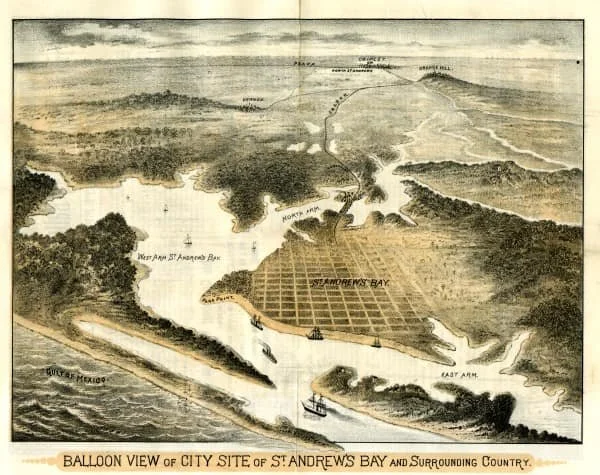
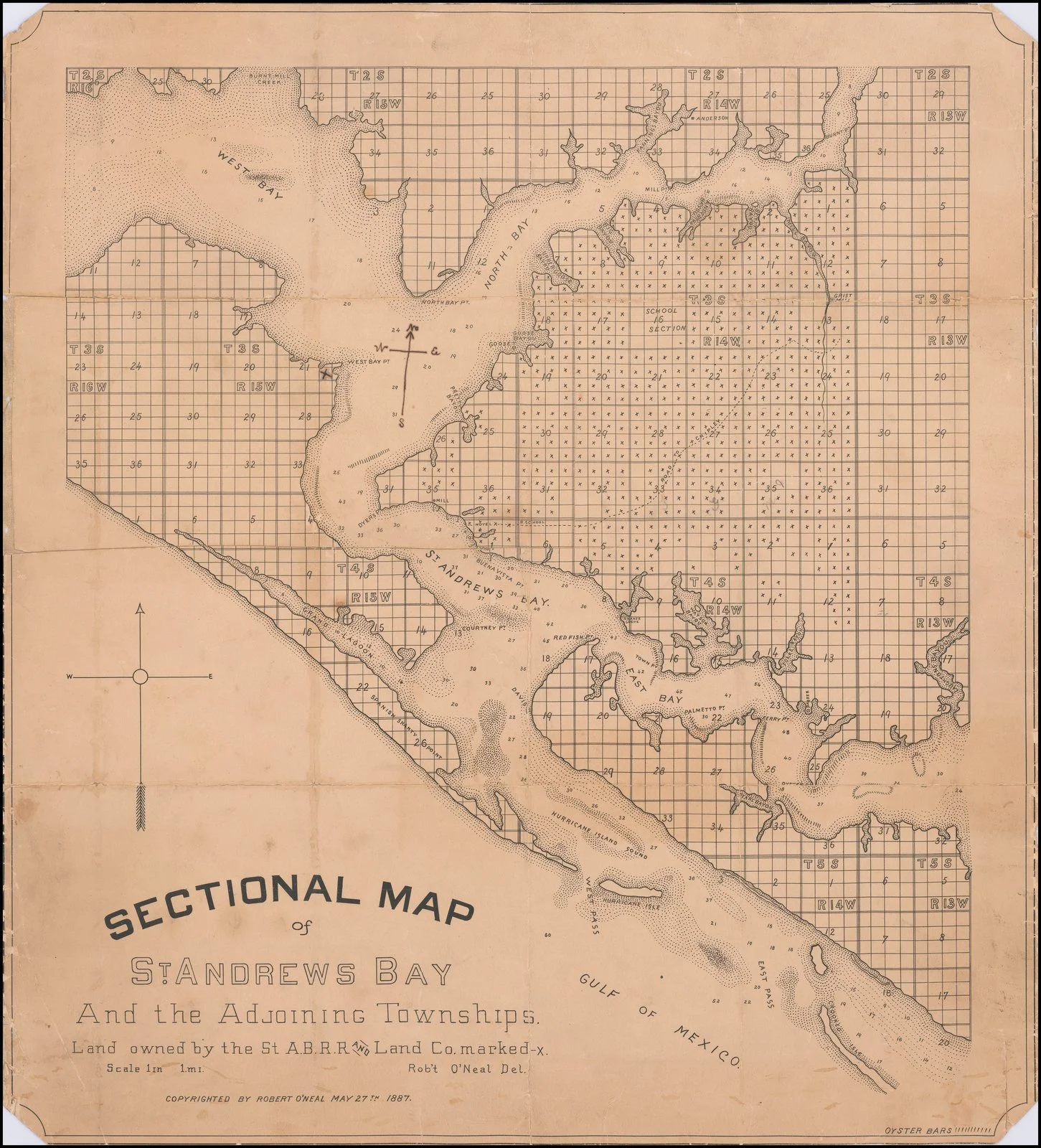
And St. Andrews Bay had something that made it more believable than many other Florida pitches: a real bay, a real waterfront, and a real history of boats and trade. It wasn’t just an inland swamp being sold with poetry. The water was right there, doing what it had always done.
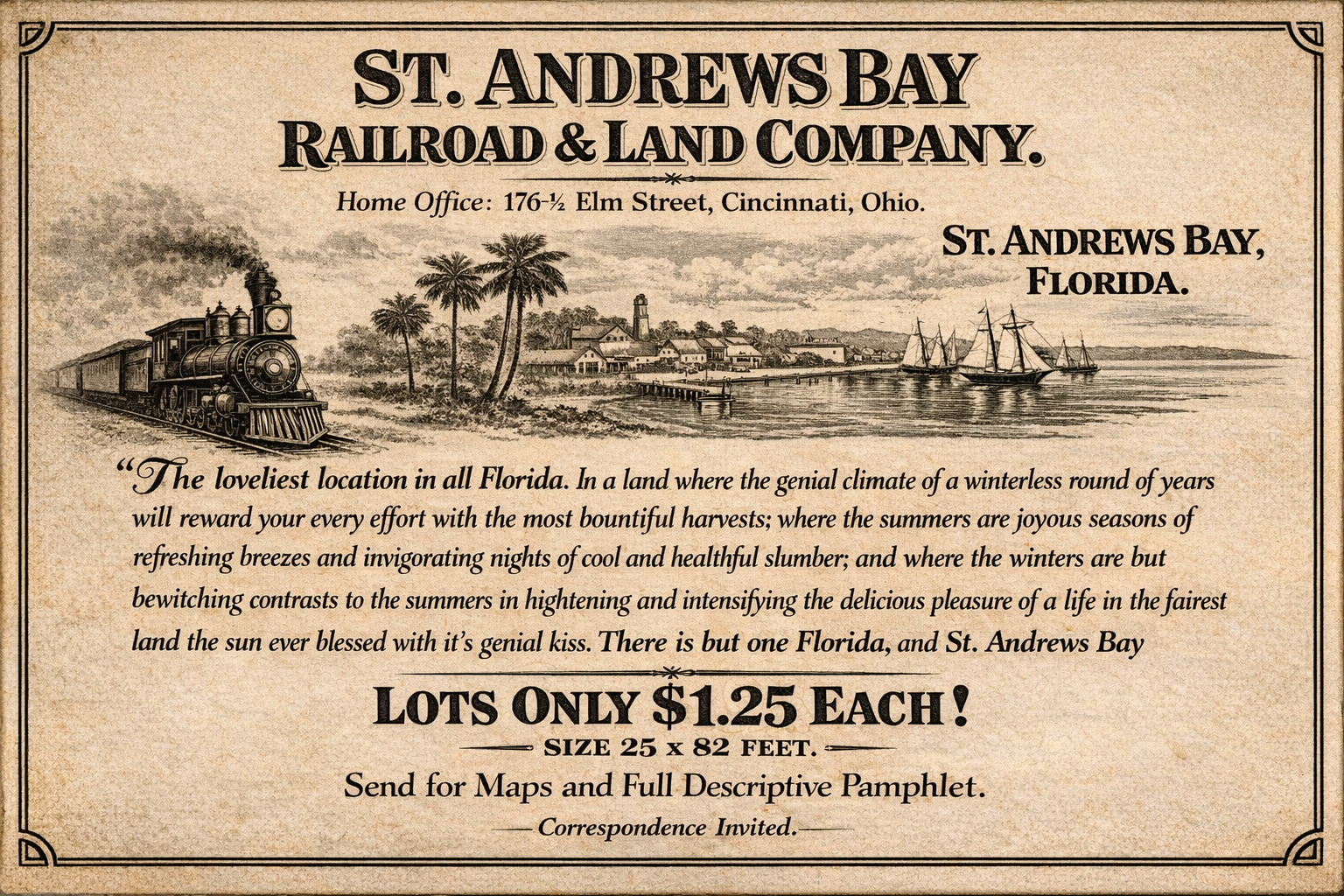
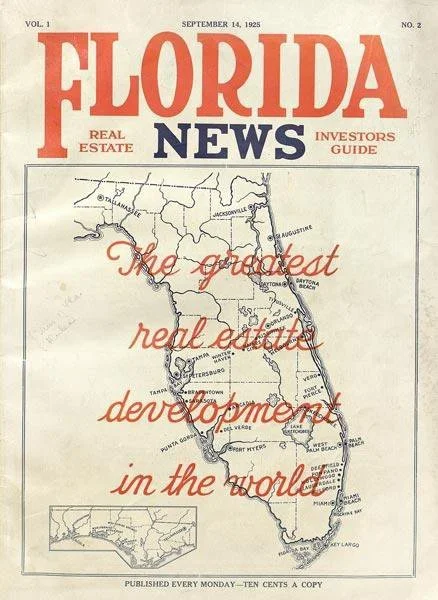
Conceptual marketing advertisement for the St Andrews Bay Railroad, Land and Mining Company land project.
The Cincinnati Project: What They Sold
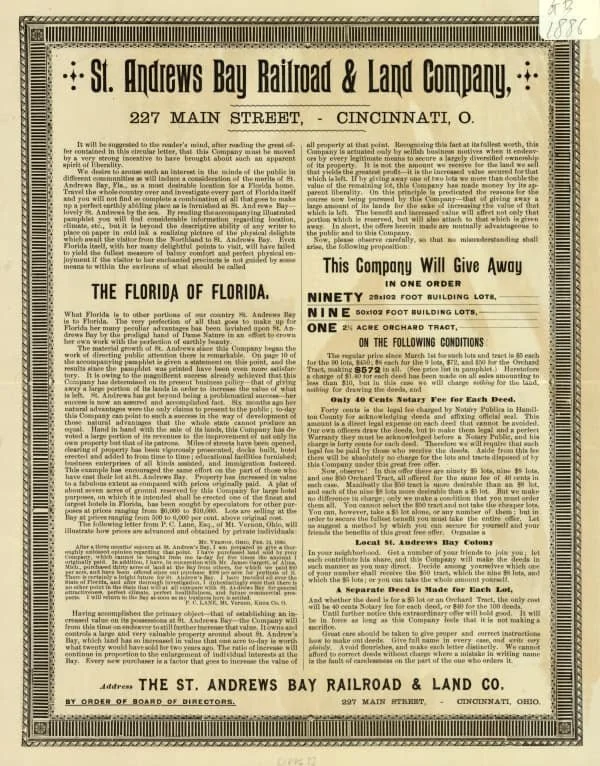
The operation locals remember as “the Cincinnati Project” followed a classic land-boom playbook:
Control land around a promising location
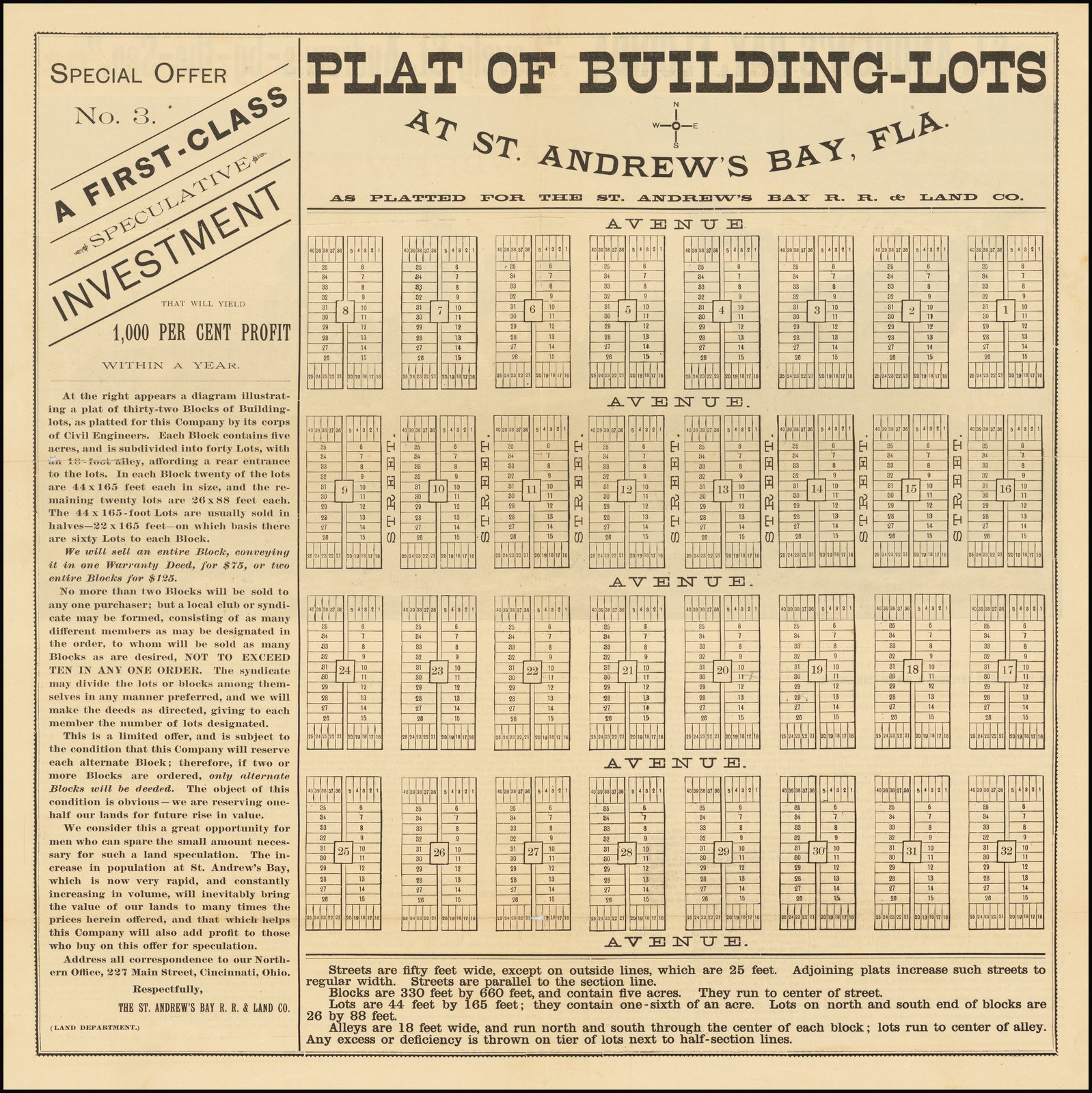
Plat it into small lots—lots of them
Market it aggressively to northern buyers
Lean hard on the coming railroad as the engine of future value
Sell early and fast, often to people who’d never set foot on the bay
The message was irresistible for the time:
Buy now, while it’s cheap
The railroad is coming
Development will follow
Florida will become the next great American frontier—only warmer
People didn’t feel like they were gambling. They felt like they were being smart before everybody else caught on.
Why It Didn’t Work the Way Buyers Expected
Here’s the blunt truth: the Florida part was real. The timeline and mechanics were not.
The railroad didn’t arrive
The company leaned heavily on the belief that rails would unlock everything. But the railroad plan didn’t materialize the way buyers expected. Without it, the promised leap in land value—and the easy path to development—never showed up.
The lots were tiny and scattered
Many buyers didn’t purchase “a piece of Florida.” They purchased a sliver—a small lot on paper, often not suited to immediate building, farming, or business. Tiny lots only make sense when a town is already growing fast around them. Without the railroad and without infrastructure, those lots were stranded in time.
Infrastructure was the missing ingredient
No railroad meant limited access. Limited access meant slow growth. Slow growth meant no quick surge of:
roads
utilities
services
commerce
jobs
So what many buyers thought would become a boomtown-style investment became, instead, a long wait—or a disappointment.
And yes, some people felt burned. Some never came. Some gave up. Some kept the deed like a forgotten raffle ticket in a drawer.
The Part That Matters Most: They Weren’t Selling a Lie About the Bay
This is important, because it’s where the story becomes uniquely St. Andrews.
The bay was everything the brochures said it was.
Protected water. Gulf access. Fishing. Breezes. Sunsets. A place that felt different than a soot-covered city street.
The problem wasn’t that St. Andrews Bay wasn’t beautiful.
The problem was that beauty alone doesn’t build a town quickly.
Without transportation and basic infrastructure, the dream simply couldn’t scale fast enough to match the sales pitch.
In other words: the product was real. The delivery system wasn’t.
The Positive Aftermath: What St. Andrews Gained Anyway
Now for the twist—the part that separates St. Andrews from a thousand other busted land schemes.
Even when the speculative heat cooled, some people came anyway.
And some of those people stayed.
They didn’t arrive to flip land. They arrived to live.
They brought:
new families and new work hands
small commerce and small construction
fresh energy around the bay
and a bigger sense that St. Andrews wasn’t just a stopping point—it was a place worth choosing
The Cincinnati Project didn’t create St. Andrews. But it helped push St. Andrews out of its smallest, most fragile era and into a more settled, stubbornly persistent phase of life.
It also left behind something very tangible: paper.
Plats, deeds, lot lines, and legal boundaries—quiet fingerprints that can echo for generations. Even when the company vanished, the land divisions often remained.
Lasting Impact: Why This Time Period Matters in the Arc of St. Andrews
If you want to understand how St. Andrews became St. Andrews—why it resisted becoming a boom city, and why it developed the way it did—this period matters because it taught the town something early:
St. Andrews wouldn’t be made by hype
It couldn’t be rushed into existence by distant investors and glossy promises. It didn’t bend to a northern timetable.
St. Andrews grew the old-fashioned way:
by water first
by work
by resilience
by people who stayed when the easy money didn’t
It also marks St. Andrews entering the national imagination
For the first time, St. Andrews Bay was being sold as an idea across hundreds of miles. That attention didn’t vanish forever—it set a precedent. Outsiders “rediscovering” the bay isn’t new. It’s a repeating rhythm.
It strengthened the town’s core identity
The Cincinnati Project tried to sell St. Andrews as a rapid-growth opportunity.
St. Andrews answered—politely, stubbornly, and without fanfare:
“We’ll get there when we get there.”
That attitude—quiet, independent, and anchored in the bay—still defines this place.
The Takeaway
The Cincinnati Project is one of those chapters that looks like a cautionary tale from far away. But from the shoreline, it reads differently.
It was a collision between:
a nation hungry for progress
a Midwest desperate for clean air and solid footing
and a bay community that could offer the dream—but not the quick delivery
The scheme didn’t build the boom it promised.
But it did something more St. Andrews than any brochure ever could:
It brought people close enough to fall in love with the bay for real.
And that—more than any railroad—helped shape the St. Andrews we know today.