The Governor Stone: A Survivor Tied to St. Andrews Bay
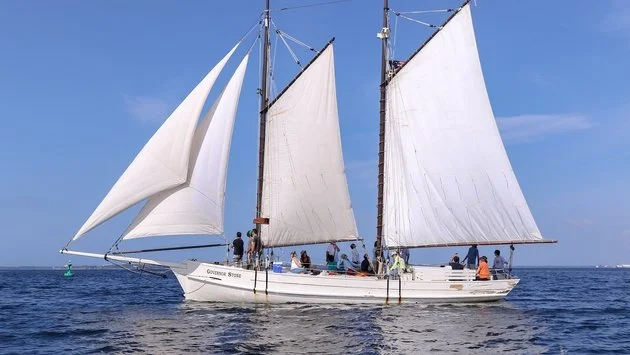
If you’ve walked the docks at St. Andrews Marina in recent years, you’ve probably noticed what’s missing as much as what’s there. The empty slip. The absence of a familiar wooden hull. The quiet reminder that the schooner Governor Stone—one of the oldest surviving working vessels on the Gulf Coast—is still waiting for her next chapter.
Built in 1877 in Pascagoula, Mississippi, the Governor Stone began life as a no-nonsense working schooner, hauling cargo and supplies between shallow Gulf ports when roads were little more than sand and ruts. She was designed for these waters—shoal draft, tough timber, and simple rigging—and she earned her keep early, moving goods that kept coastal towns alive.
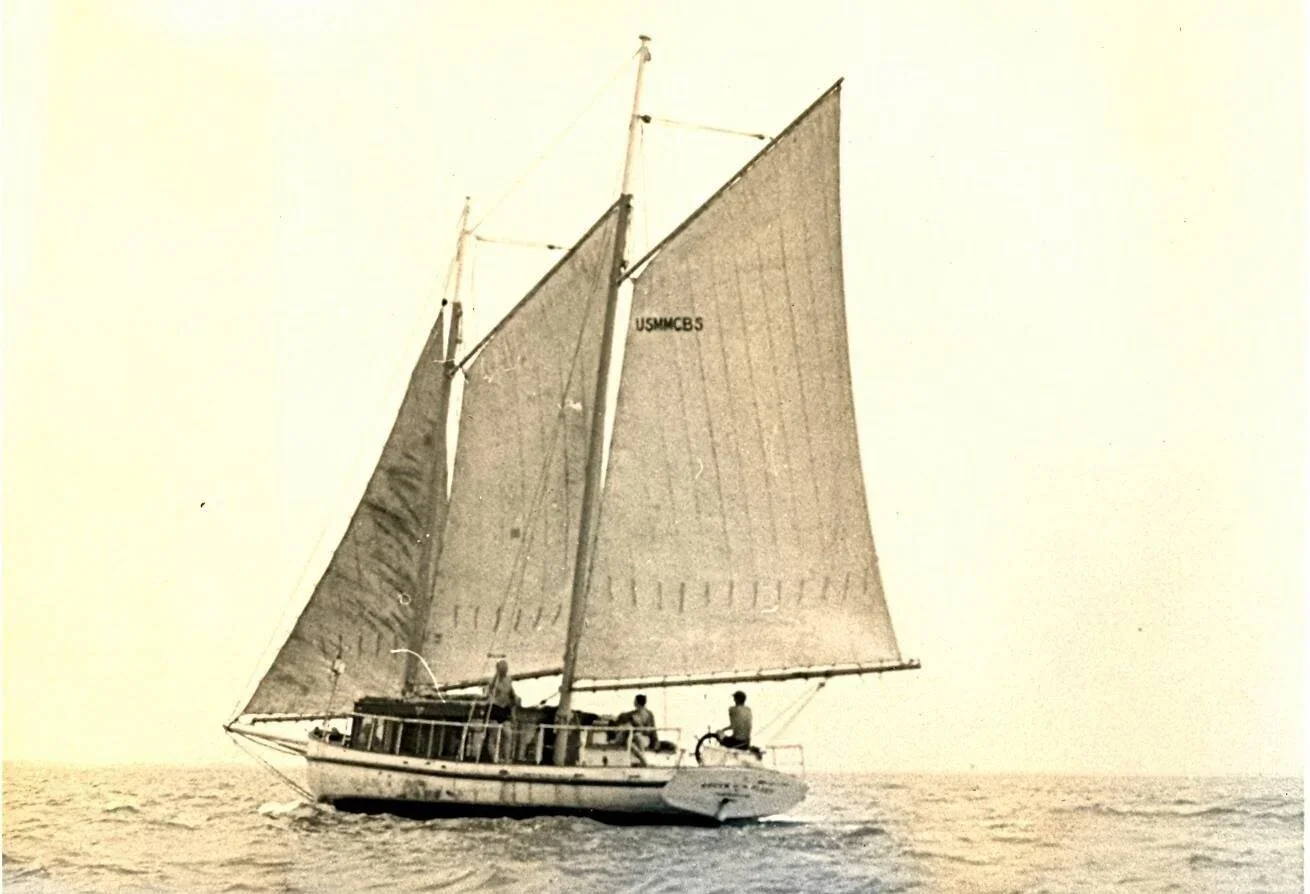
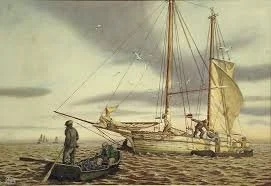
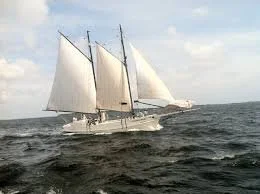
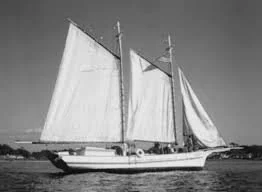
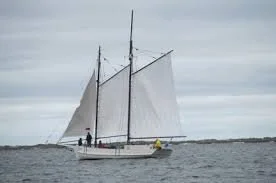
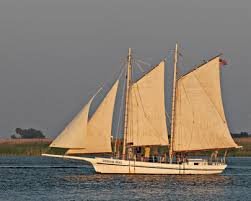
By the late 1800s and early 1900s, she became an oyster buy-boat, sailing the bays of the northern Gulf to collect oysters directly from tongers and rush them to market. Along the way, she accumulated stories the way old boats do—rum-running during Prohibition, brushes with the Coast Guard, and more than one hurricane that should have ended her life. She sank. She was raised. She sailed again. More than once.
That pattern—damage, recovery, return—became the Governor Stone’s signature.
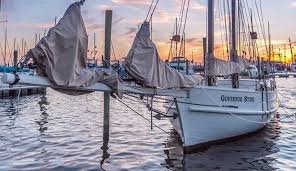
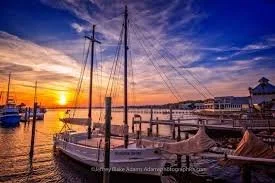
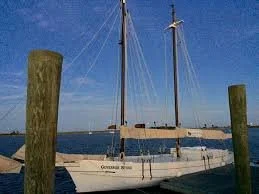
Over the decades she reinvented herself repeatedly: a pleasure schooner known as the Queen of the Fleet, a World War II training vessel for sailors, a private live-aboard yacht, and eventually a floating classroom and maritime ambassador in Apalachicola. In 1992, she was designated a National Historic Landmark, a rare honor that acknowledged her importance as the last surviving example of a once-common Gulf Coast schooner.
In 2013, the Governor Stone came home to Historic St. Andrews, where she became a quiet icon of the marina—equal parts history lesson and dockside beauty. After a major restoration in Bay County, she once again looked every bit her age in the best possible way: authentic, honest, and earned.
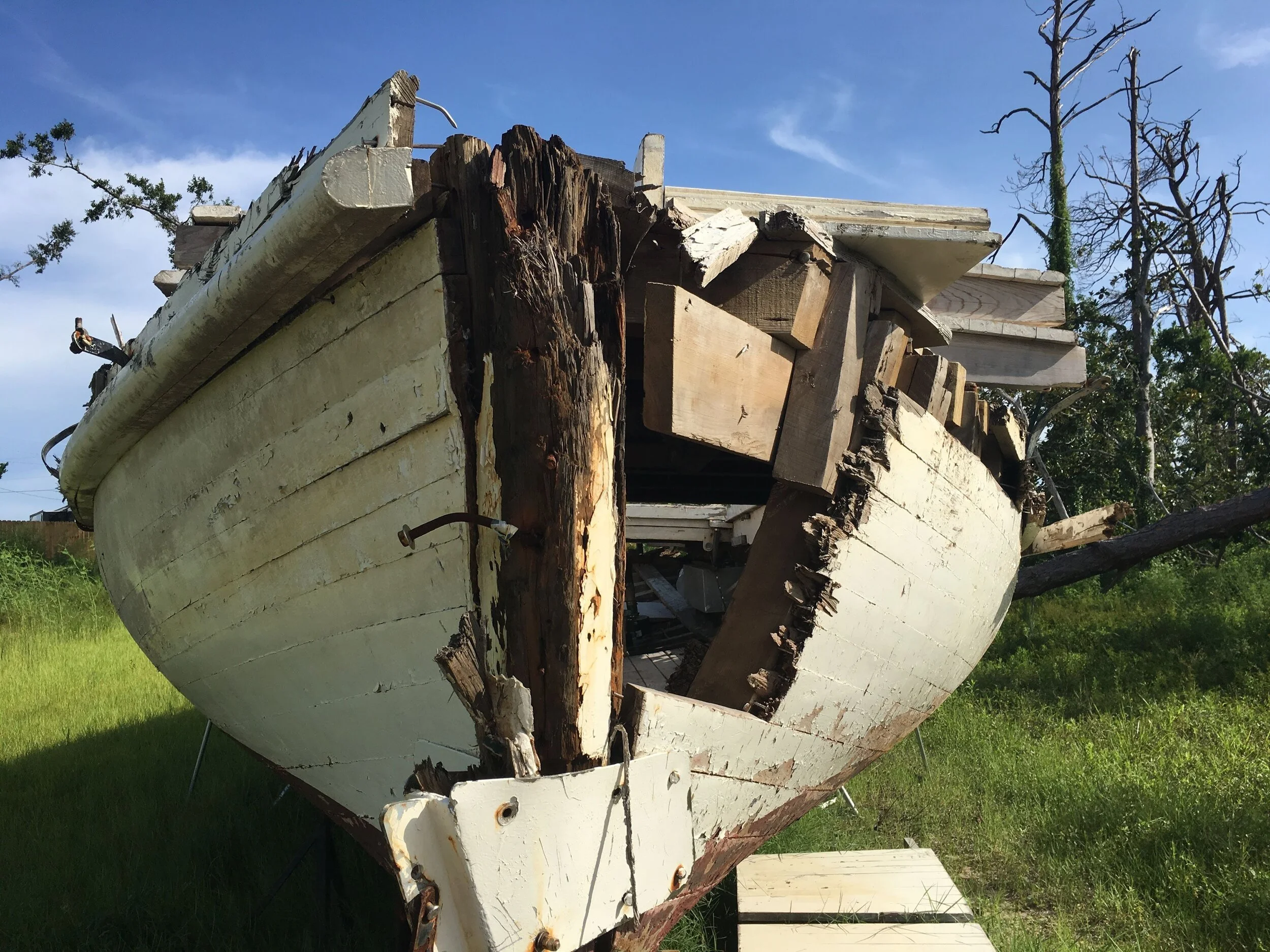
Then came Hurricane Michael.
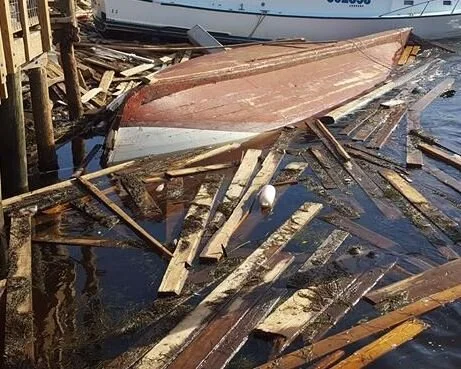
In October 2018, the storm tore through Panama City and St. Andrews with catastrophic force. The Governor Stone was ripped from her moorings and left badly damaged—capsized, broken, and scattered. For a moment, it felt like the storm might finally have won.
But if there’s one thing this schooner has never done, it’s quit.
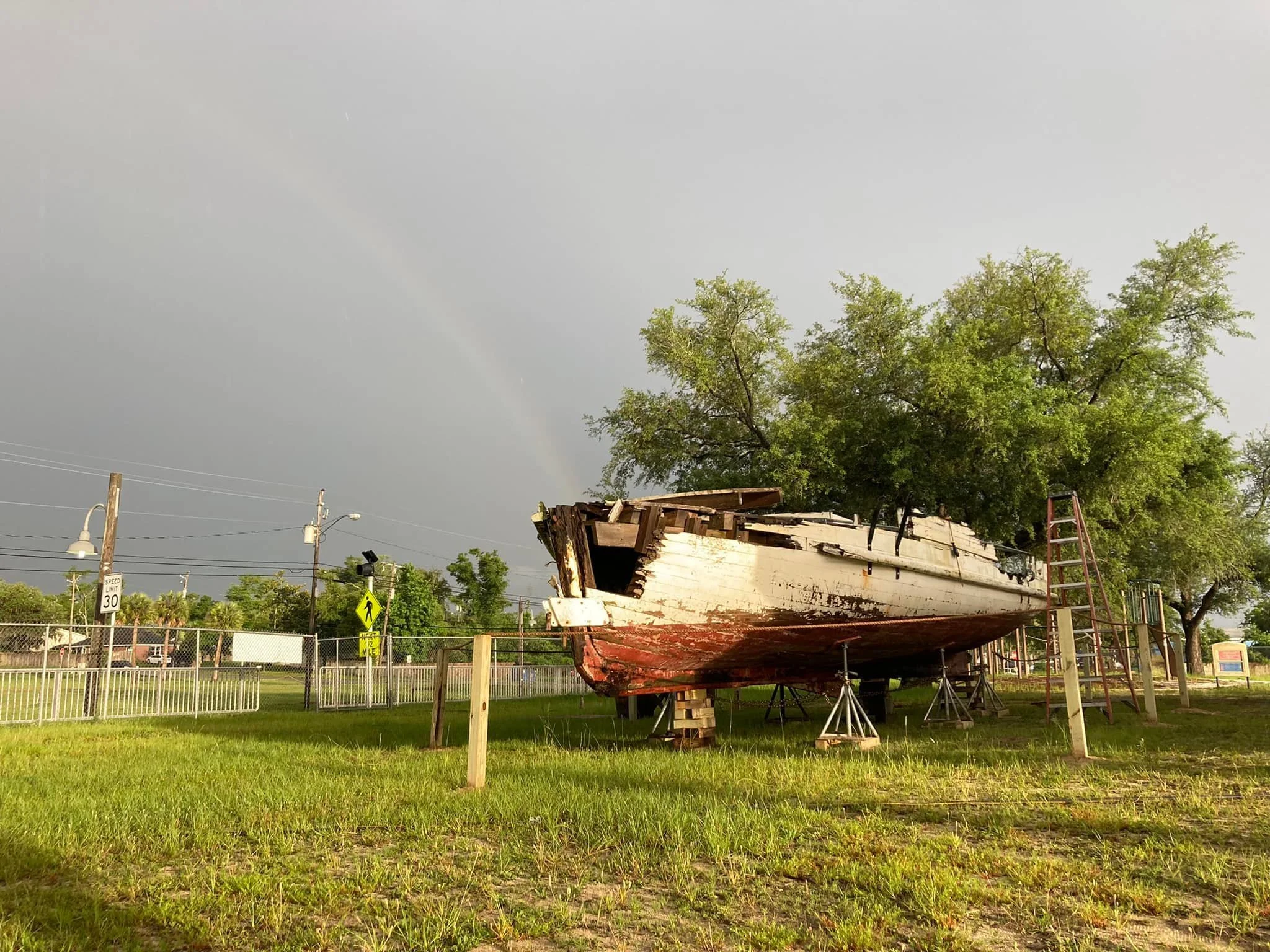
Today, the Governor Stone sits ashore in St. Andrews, carefully dismantled and slowly rebuilt by dedicated volunteers and craftsmen. Her restoration is ongoing, deliberate, and deeply personal to the people who care for her. She’s not abandoned. She’s waiting.
The Governor Stone isn’t just an old boat. She’s a reflection of this place—weathered, stubborn, resilient, and unwilling to disappear quietly. Like St. Andrews itself, she’s taken her hits, adapted, and kept her soul intact.
One day, her slip won’t be empty.
One day, she’ll sail again.